UNIT 18 · 一般现在时(一)

他 / 她 / 它 做事,动词要加 s

主语是 he、she、it 或者一个人的名字时,动词要“变形”:一般加 s,特殊结尾加 es,还有 have 要变 has。

男孩坐在沙发上看电视
1

大多数动词:直接加 s主语是 he / she / it 或一个人时

+s

主语是“他 / 她 / 它”,或一个人的名字时,动词后面加 s。

play → playslike → likesread → readsrun → runs
He plays football. She likes apples.他踢足球。她喜欢苹果。
2

这几种结尾:加 ess / x / ch / sh / o 结尾

+es

动词以 s、x、ch、sh、o 结尾时,加 es 读起来才顺。

watch → watchesgo → goesdo → doesbrush → brushesfix → fixes
She watches TV. He goes to school.她看电视。他去上学。
注意:go 和 do 虽然只加 es,但读音变了:goes 读 /ɡəʊz/,does 读 /dʌz/,多听两遍就记住了。
3

辅音字母 + y 结尾:变 ies元音 + y 就直接加 s

辅音 + y → ies

study → studiesfly → fliescarry → carries
She studies English.她学英语。

元音 + y → 只加 s

play → playsbuy → buysstay → stays
He plays football.他踢足球。
4

have 是个特例不是 haves,而是 has

have → has

I have a pen.He has a pen.They have a car.She has a car.
She has a doll.她有一个洋娃娃。
5

看图学例句橙色圈出的动词都是“加过的”

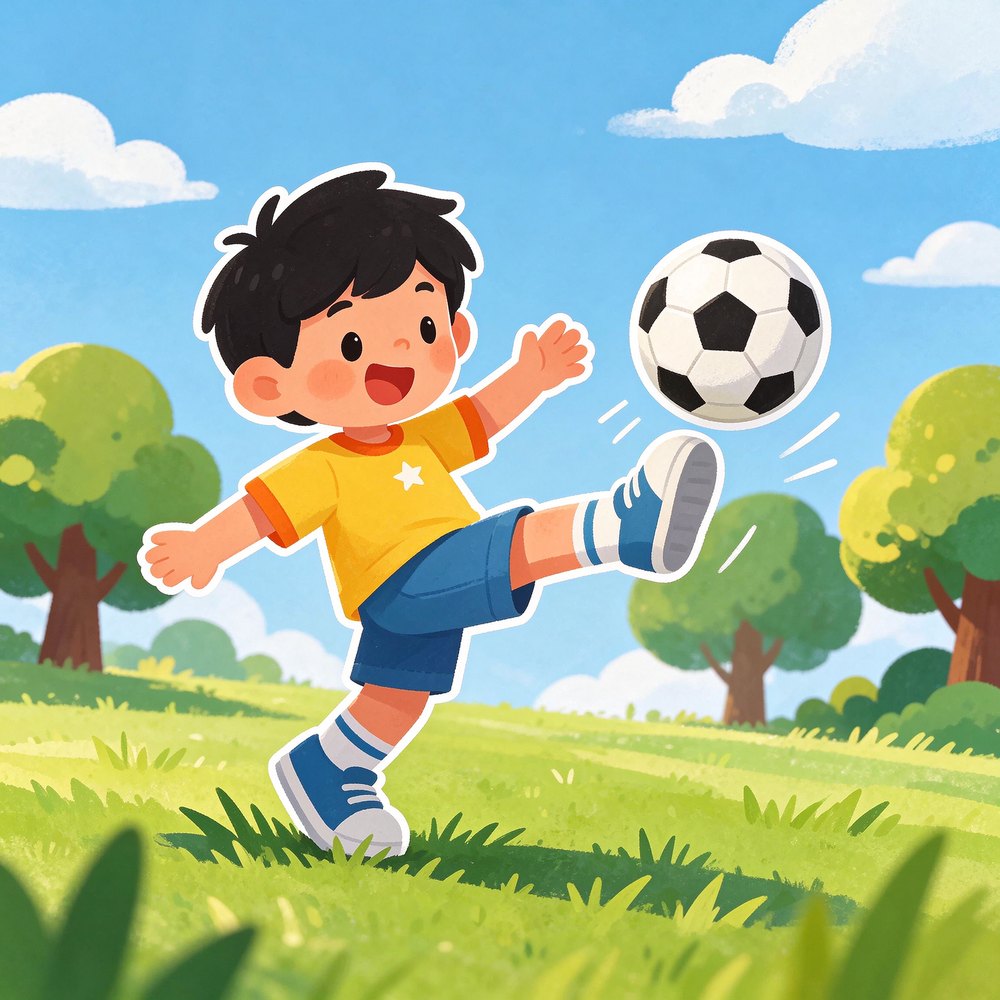
男孩踢足球
+s
He plays football.
他踢足球。
男孩坐在沙发上看电视
+es
He watches TV.
他看电视。
女孩在台灯下写作业
y → ies
She studies English.
她学英语。
背书包的男孩
go → goes
He goes to school.
他去上学。
6

动手练一练点一点,选出正确的动词形式

已答对 0 / 4

本章小结

主语是 he / she / it 或单人名字时:一般动词加 s;s、x、ch、sh、o 结尾加 es;辅音 + y 结尾变 ies;have 变成 has。

返回目录