UNIT 5 · 动词 have / has
动词 have / has 表示“拥有”
have 和 has 都表示“有、拥有”,后面跟着自己的东西;选 have 还是 has,看主语就知道。
主语
+
have / has
+
某物
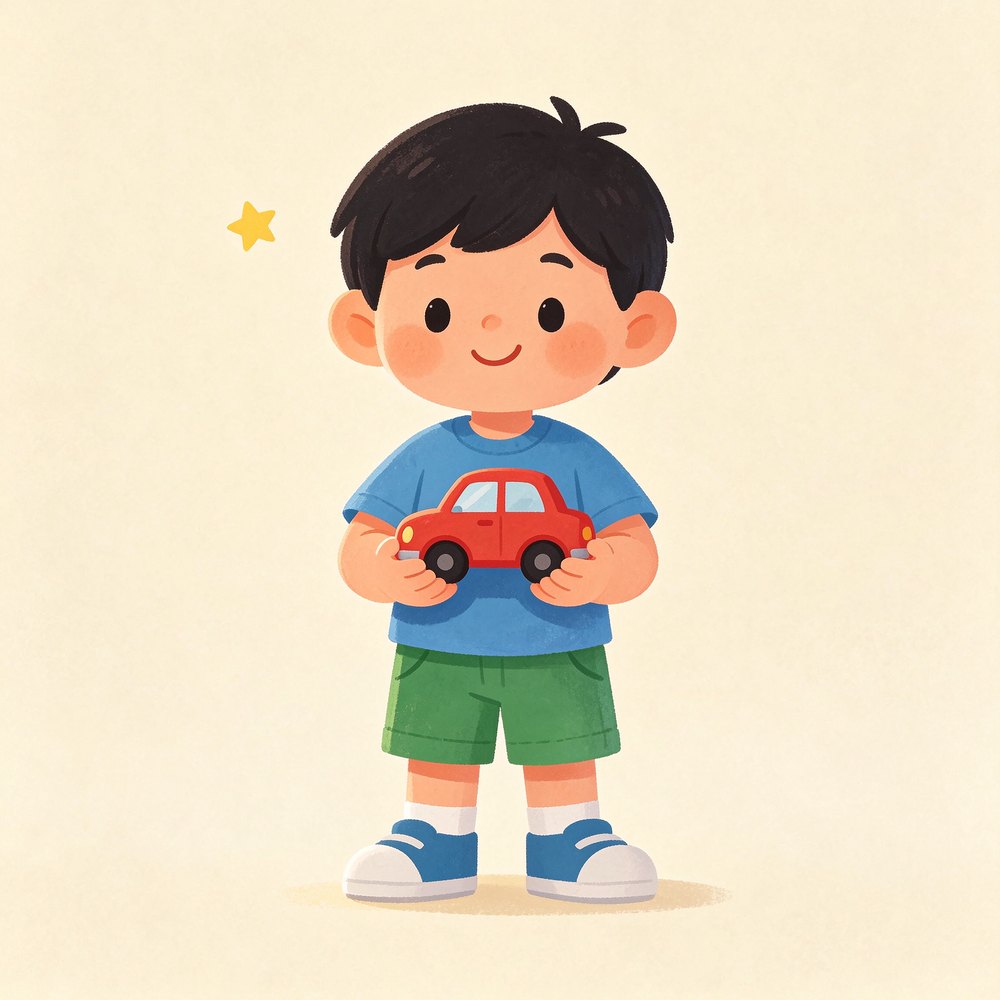
have 和 has 都表示“有、拥有”,后面跟着自己的东西;选 have 还是 has,看主语就知道。
主语是 I、you、we、they,或者两个以上的人或东西时,用 have。
I have a bag. 我有一个包。
主语是 he、she、it,或是一个单个的人或东西时,用 has。
She has a doll. 她有一个洋娃娃。
直接说“谁有什么”。
I have a schoolbag.
She has a doll.
借助 don't / doesn't,后面动词用原形 have。
I don't have a bike.
He doesn't have a car.
句首加 Do / Does,回答用 do / does。
Do you have a pen? — Yes, I do.
Does she have a doll? — No, she doesn't.

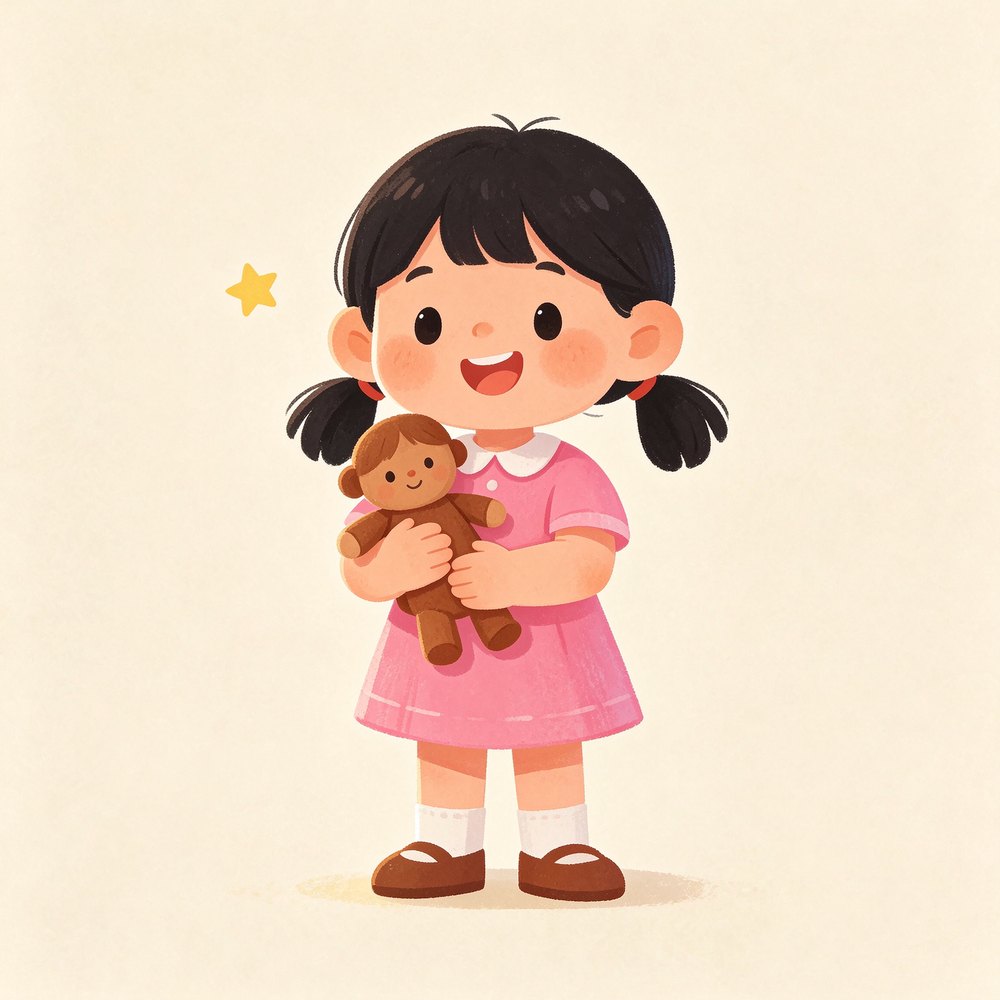

have / has 都表示“拥有”:he / she / it 用 has,其他人称用 have。否定用 don't / doesn't + have,疑问用 Do / Does 开头,回答还用 do / does。